


How to Choose the Perfect Tray for Every Space

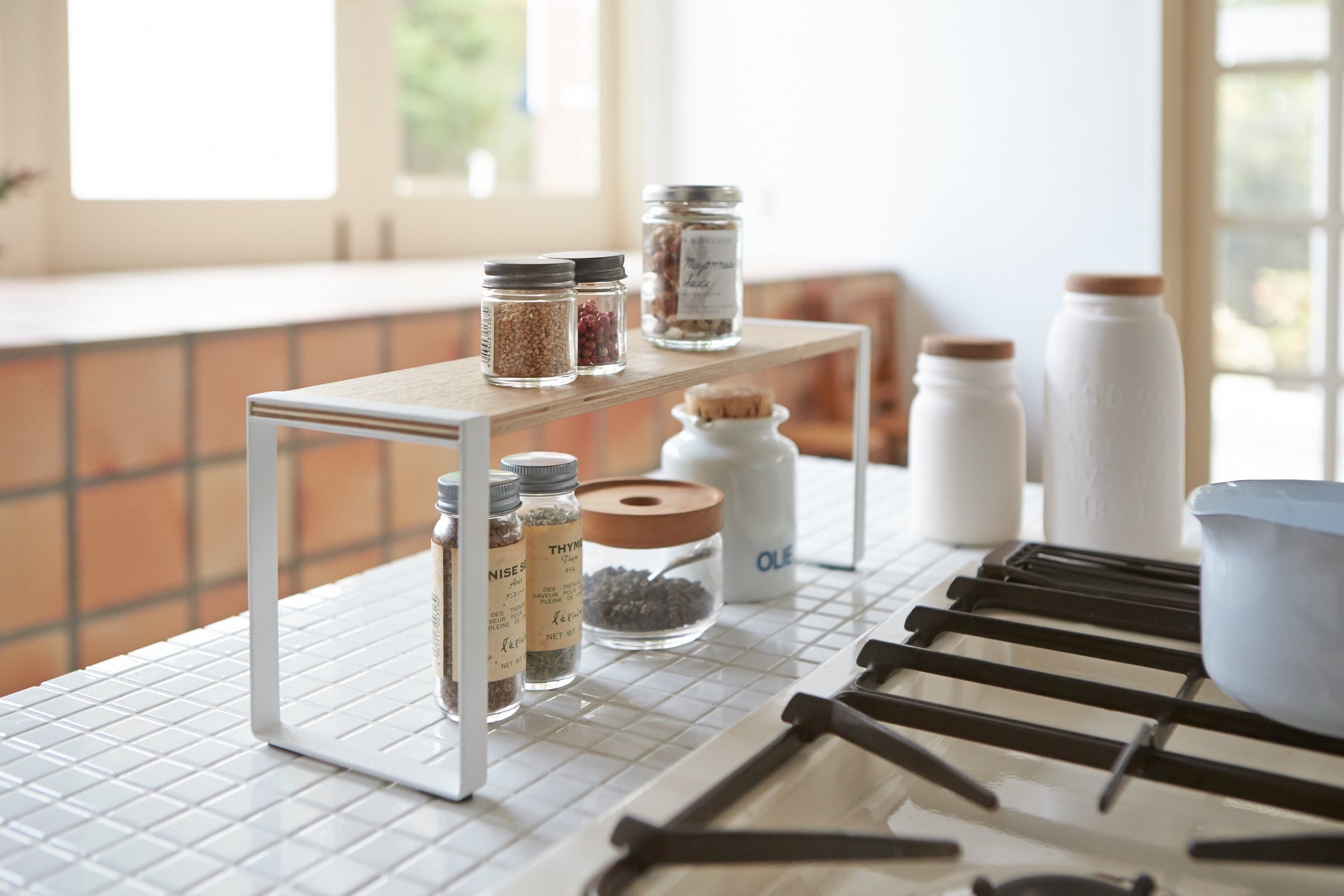
I. Introduction
Trays are often treated as decorative accents, but their true value goes far beyond appearance. A well-chosen tray quietly shapes how a space functions, helping everyday routines feel smoother and more intentional.
Whether it’s gathering small essentials or defining a visual zone, trays bring structure without rigidity. Thoughtful tray selection allows you to organize without overcomplicating—and that simplicity is what makes them so powerful in daily life.
II. Tray Essentials by Room
Kitchen: Functional Anchoring
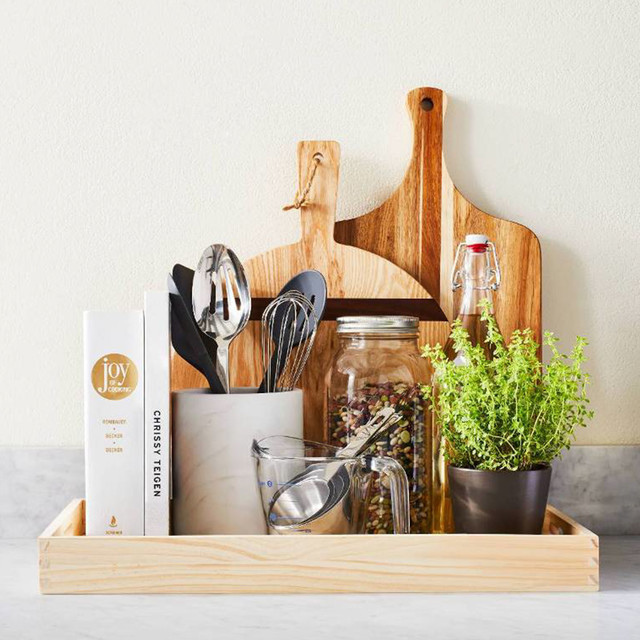
In the kitchen, trays act as grounding tools. They collect frequently used items—like cooking oils, coffee tools, or seasonings—into one intentional area. This keeps counters visually calm while making daily tasks more efficient.
Bathroom: Organization and Calm
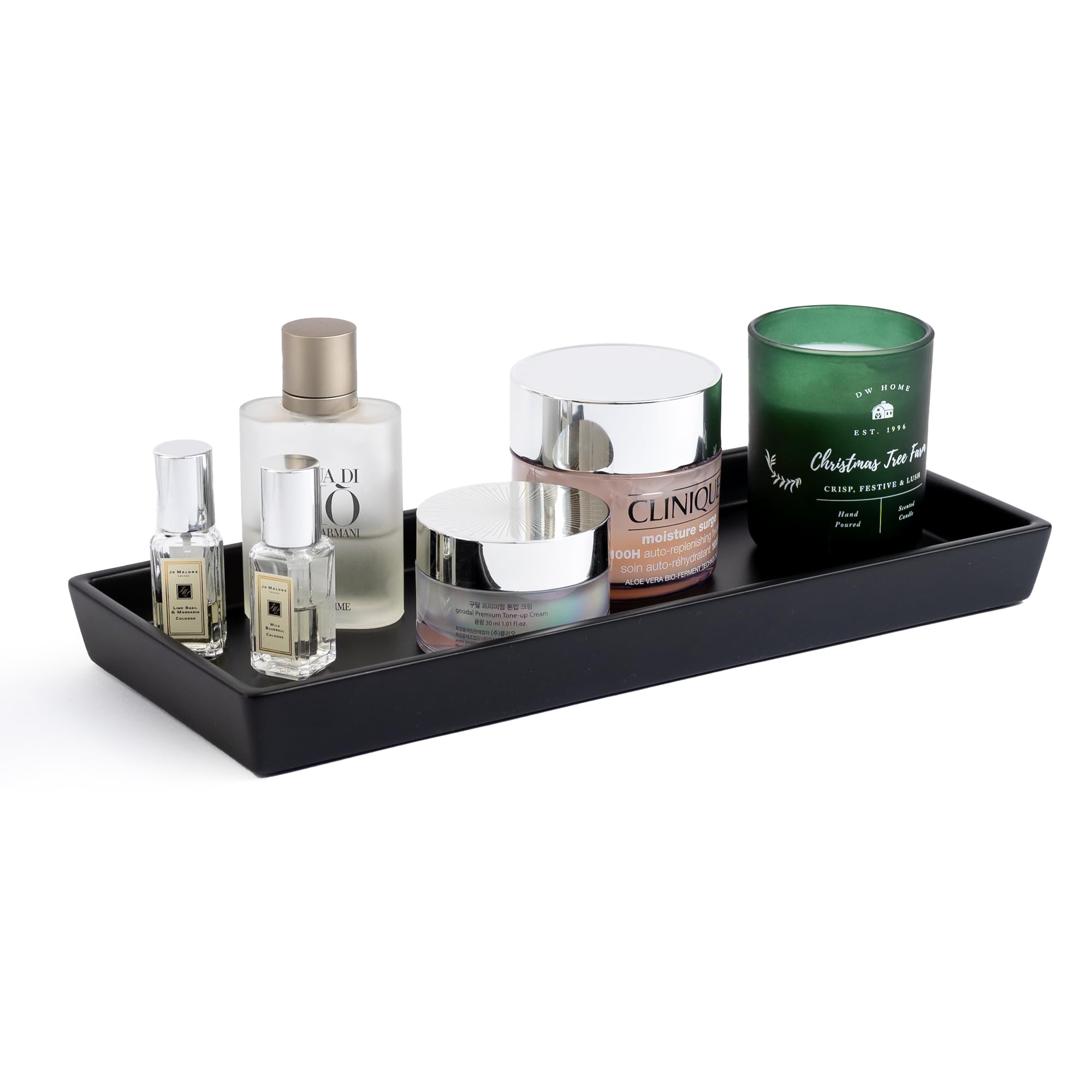
Bathrooms benefit from trays that reduce visual noise. A small tray on the vanity can hold skincare, soap, or perfumes, preventing items from spreading across limited surfaces and creating a sense of quiet order.
Living Room: Visual Storytelling
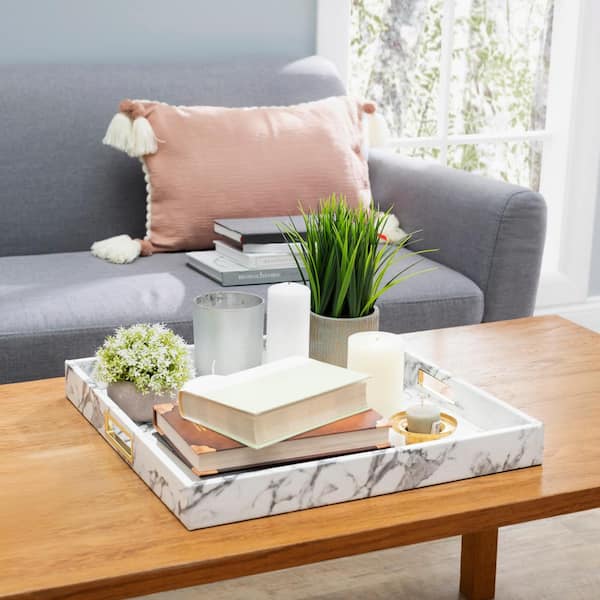
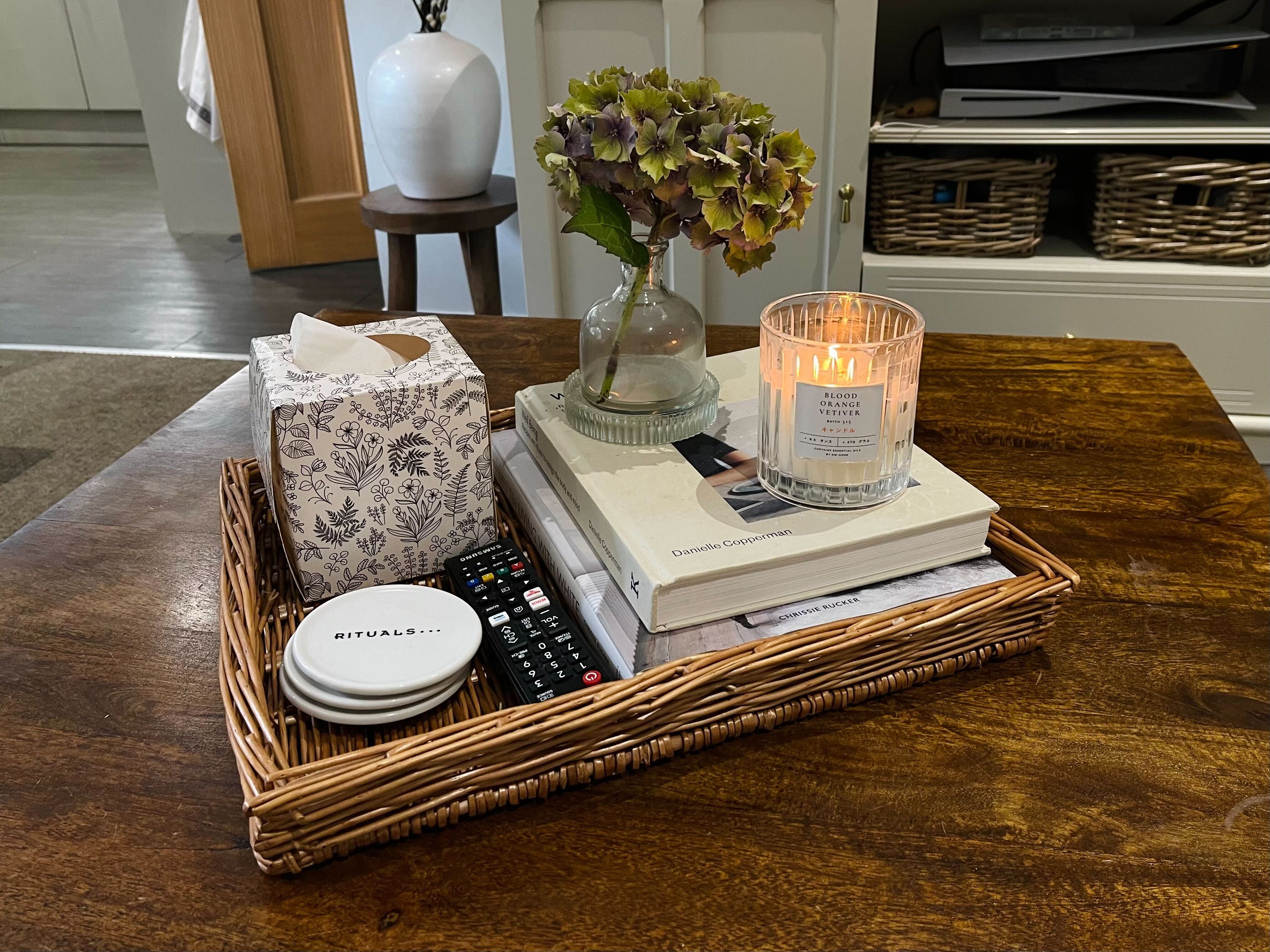
In shared spaces, trays help tell a story. On a coffee table or side table, a tray groups books, candles, and personal objects into a curated arrangement that feels styled rather than cluttered.
Bedroom: Intentional Rituals
Bedroom trays support daily rituals. They hold jewelry, watches, or nighttime essentials, turning routines into moments of intention while keeping surfaces clear and peaceful.
III. Key Selection Criteria



Size Considerations
The right tray fits the surface without overwhelming it. Aim for proportion—leaving enough space around the tray so it feels purposeful, not crowded.
Material Selection
Material influences both mood and practicality. Wood adds warmth, marble feels refined, ceramic brings softness, and metal offers structure. Choose materials that match how the space is used every day.
Aesthetic Compatibility
Neutral tones and simple shapes blend effortlessly into most interiors. A tray should complement its surroundings, not compete with them.
Practical Functionality
A beautiful tray should still be easy to use. Consider weight, durability, and ease of cleaning—especially for high-use areas like kitchens and bathrooms.
IV. Matching Trays to Environments


Each room benefits from a slightly different approach.
In the kitchen, keep trays accessible and sturdy.
In the bathroom, choose compact, water-resistant options.
In the living room, focus on balance and visual flow.
In the bedroom, prioritize softness and simplicity.
The goal is always the same: balance form and function so the tray quietly supports the space.
V. Conclusion
Intentional tray selection may seem like a small detail, but its impact is significant. The right tray can transform everyday surfaces into organized, calming spaces that support how you live.
Start with one surface you touch every day—a counter, a vanity, or a bedside table. Choose a tray that fits both the space and your routine, and let that small change create a ripple of calm throughout your home.